
Dressing the Part
How Costume Changes Made or Broke the Jesuit Missions

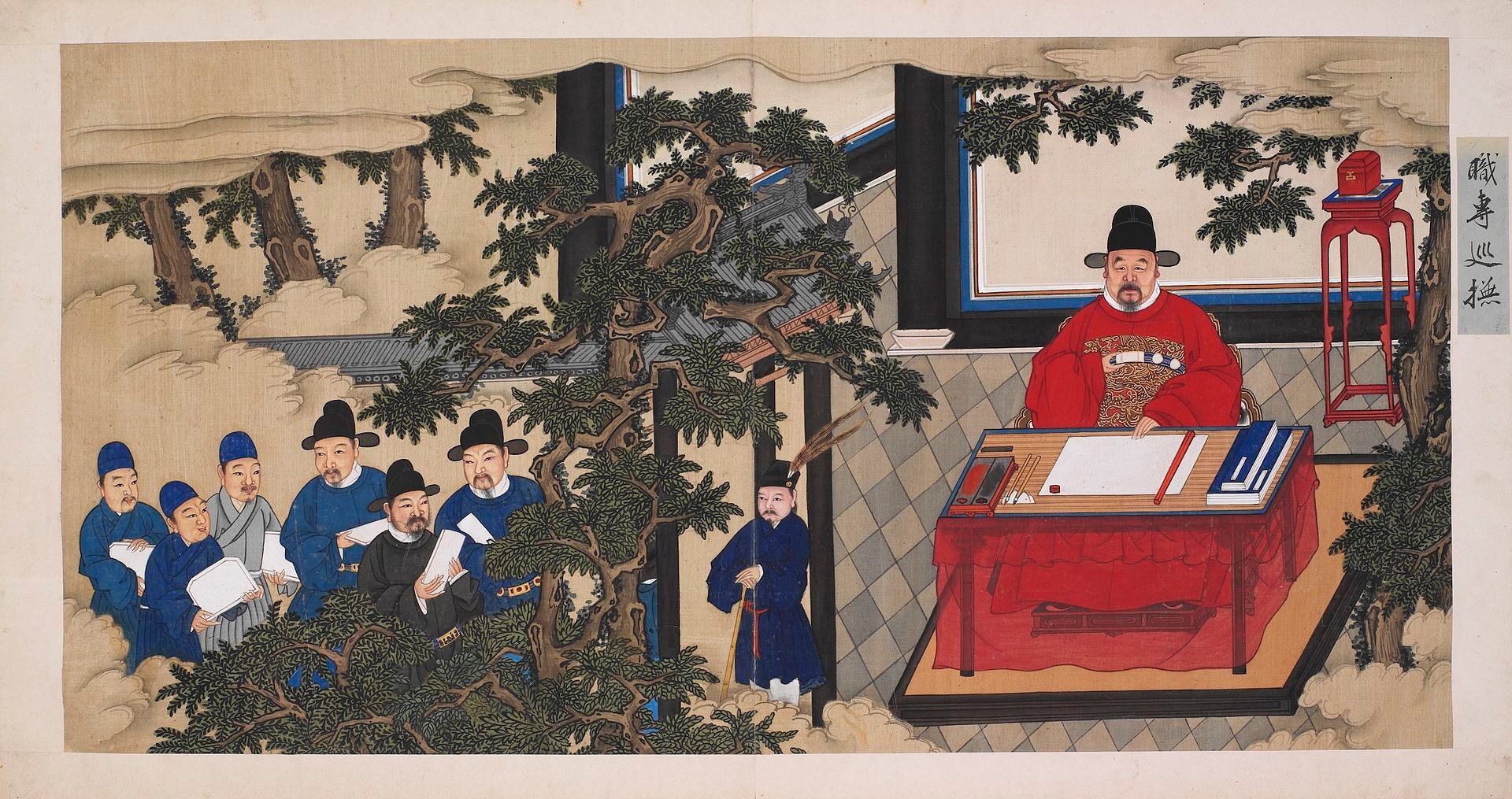
The seemingly superficial decision that revolutionized East-West cultural exchange.
This premium article expands on themes discussed in our recent podcast, "Between Two Worlds: Matteo Ricci’s Bridge Between East and West.” Listen here:
When Matteo Ricci first entered China in 1583, he wore the gray robes of a Buddhist monk. Twelve years later, in July 1594, he made what might seem like a trivial wardrobe change—switching to the silk robes and distinctive hat of a Confucian scholar. This change in attire, barely mentioned in most histories, was actually one of the most consequential strategic decisions in the entire history of Christian missions to China.
The story of these robes demonstrates how clothing serves as a complex language of power, status, and cultural belonging—and how misinterpreting that language can undermine even the most well-intentioned cross-cultural encounters.
